Build brief
CompleteProperty Bill Automation
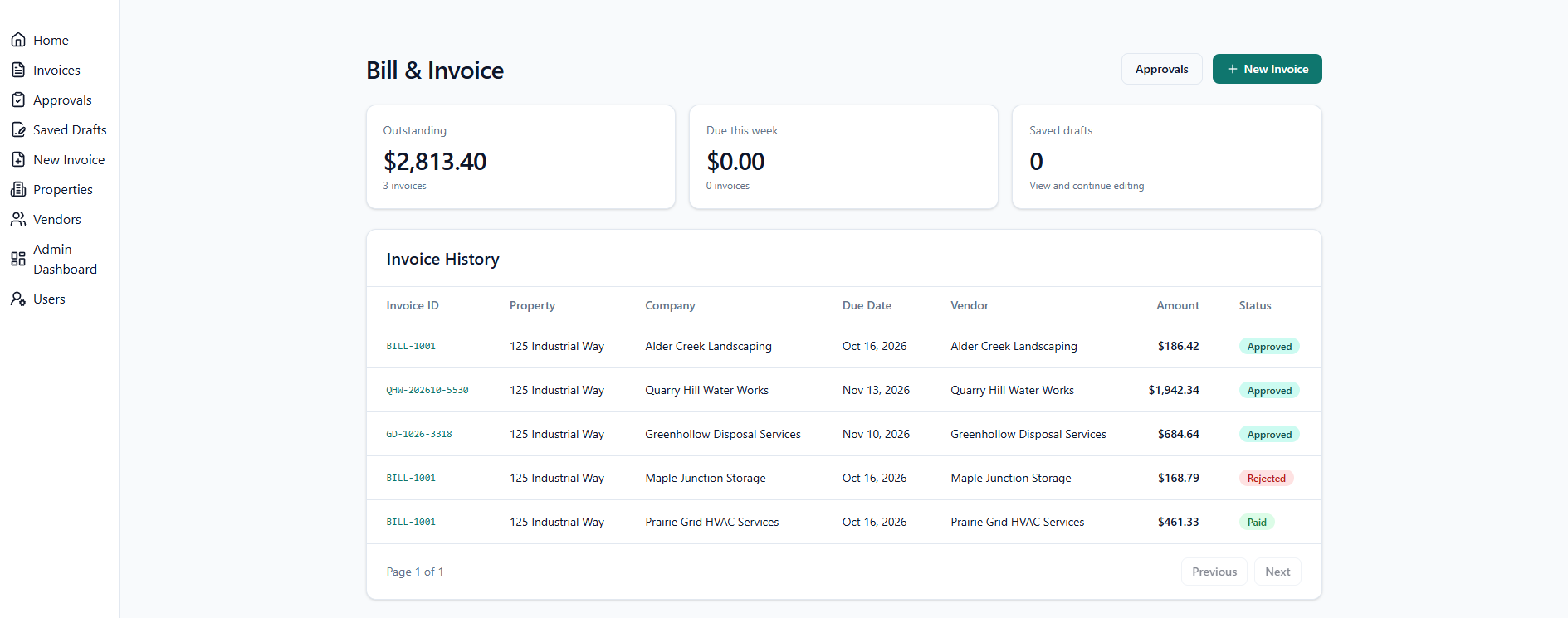
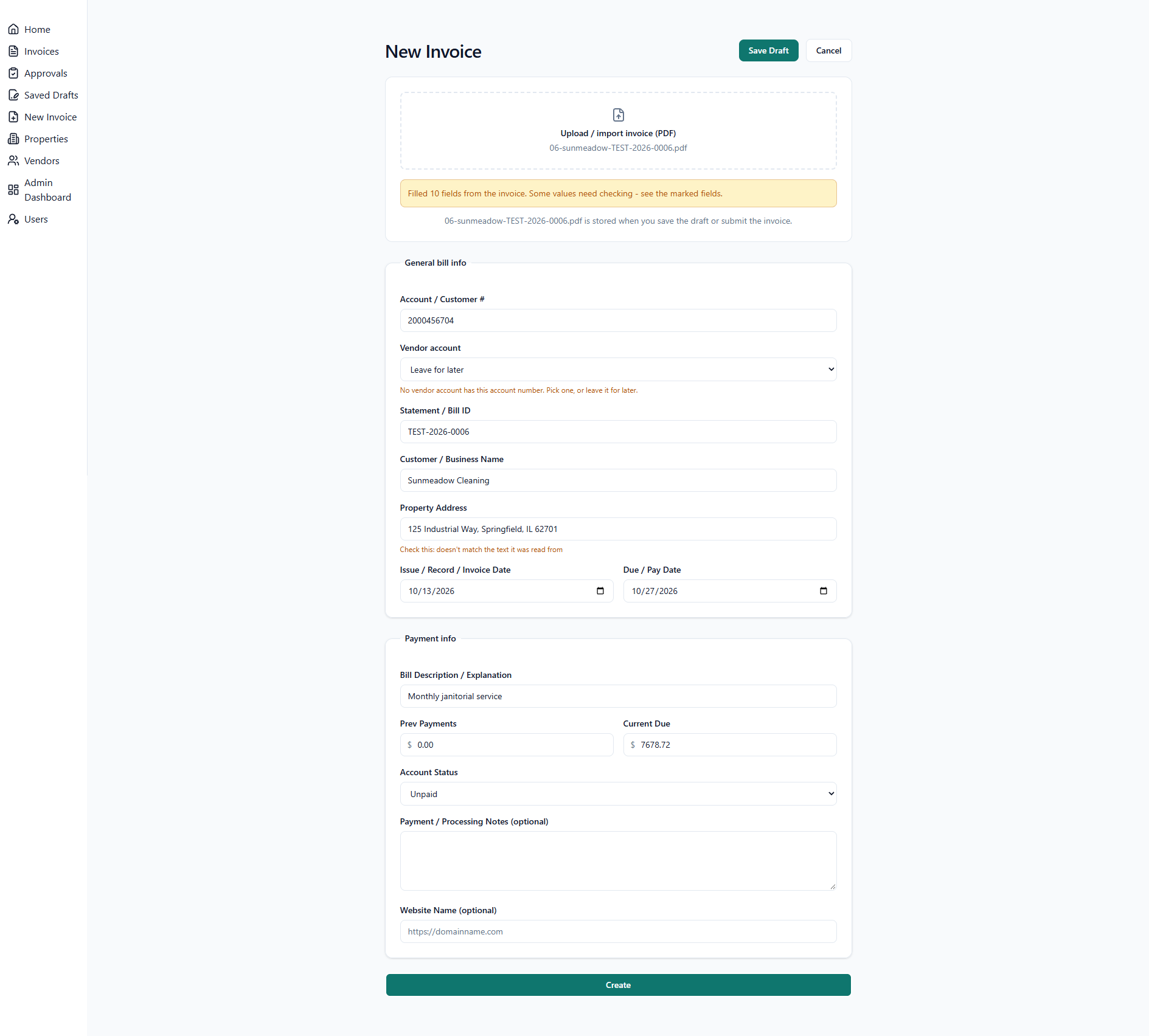
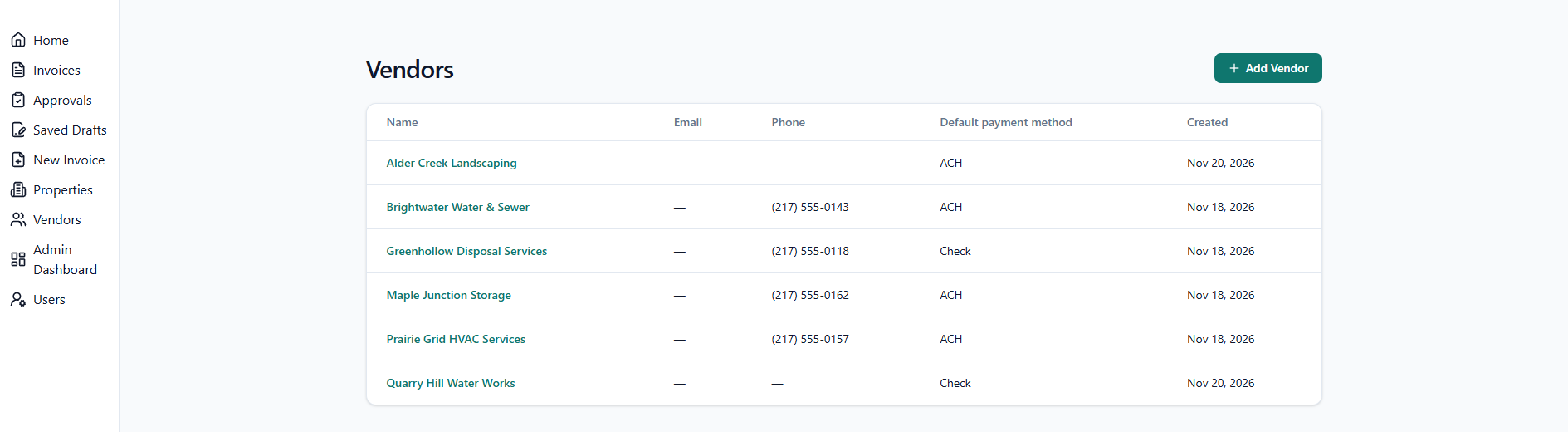
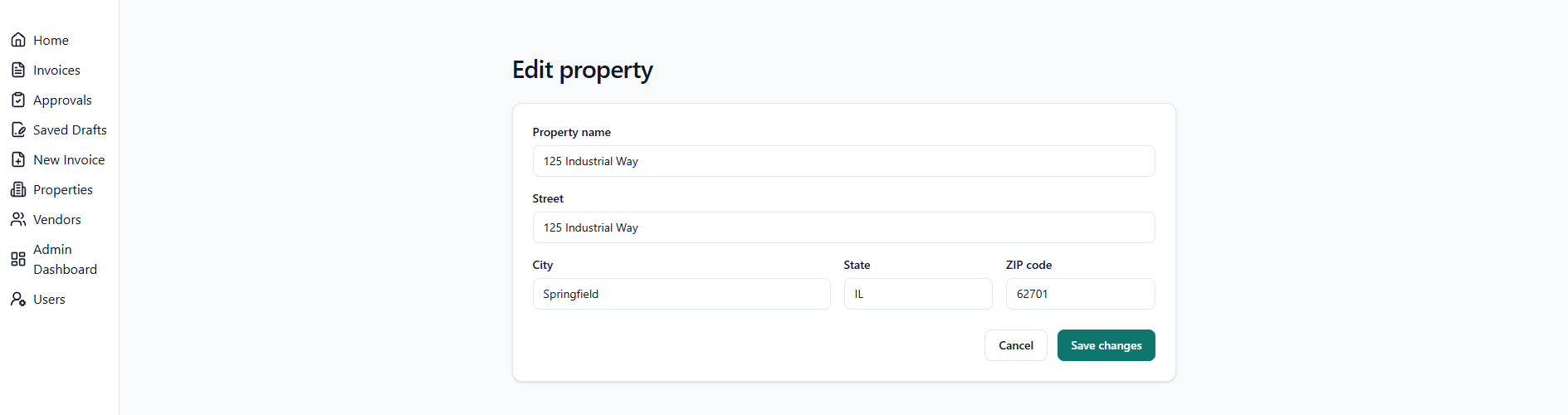
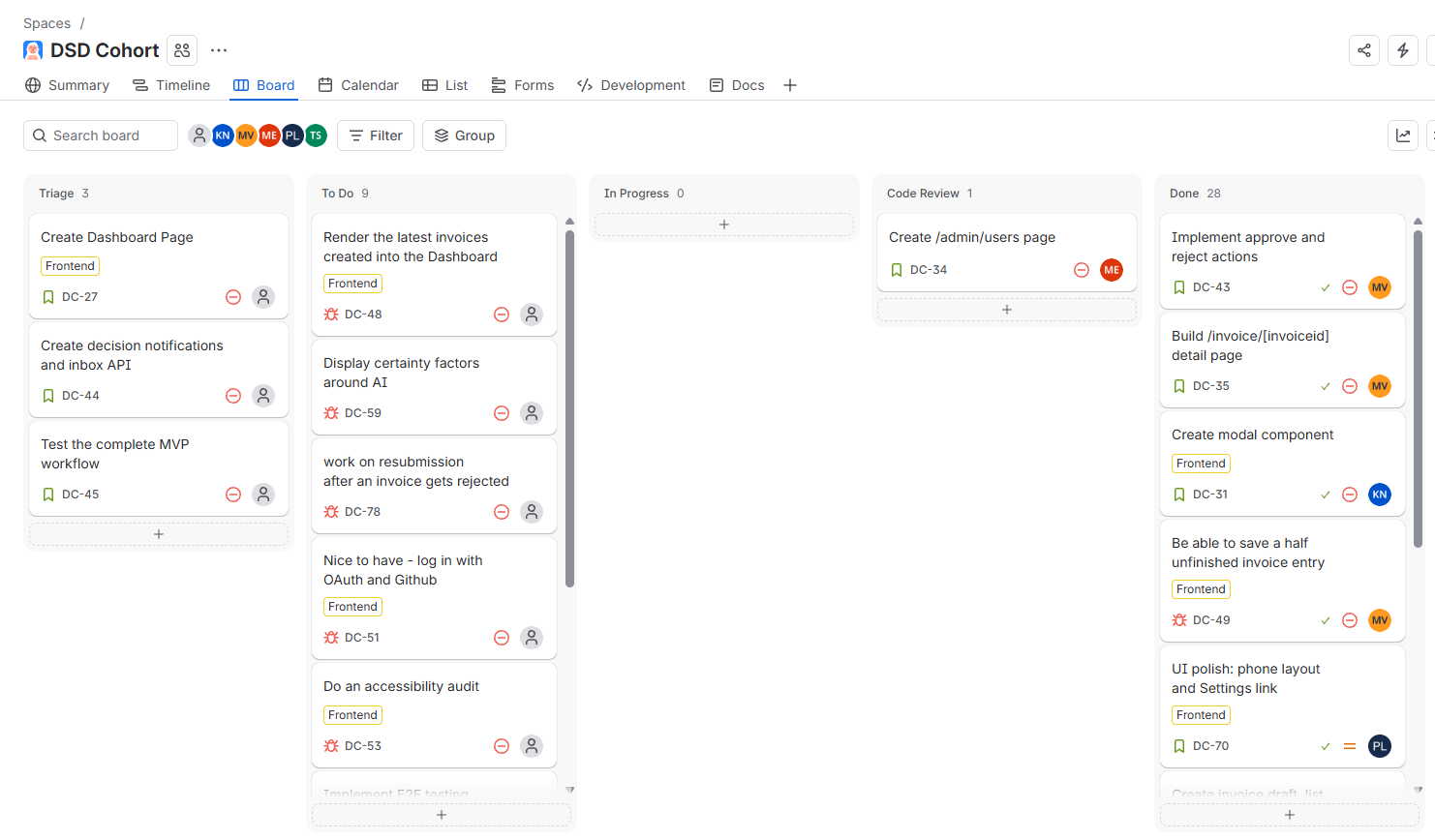
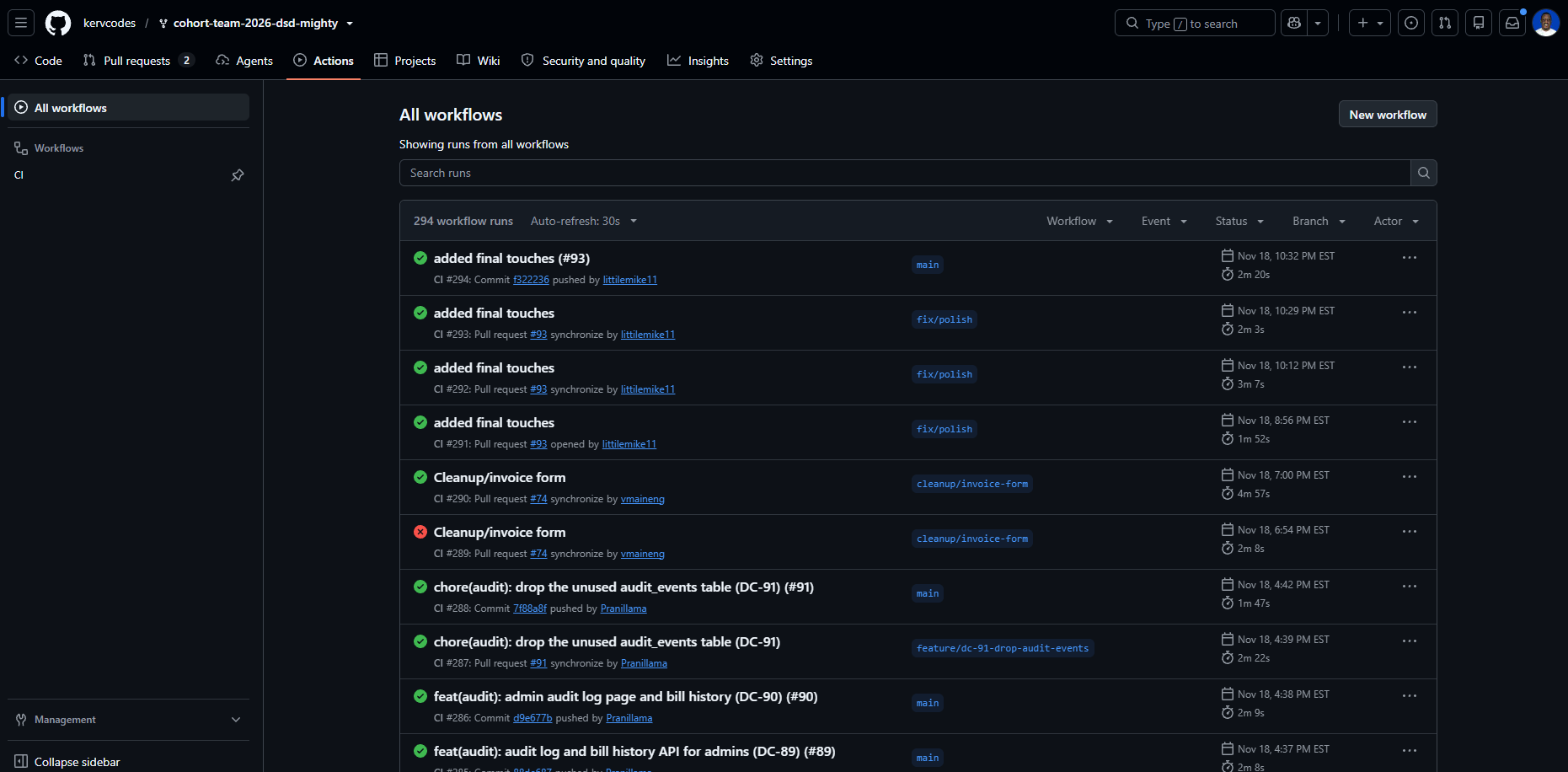
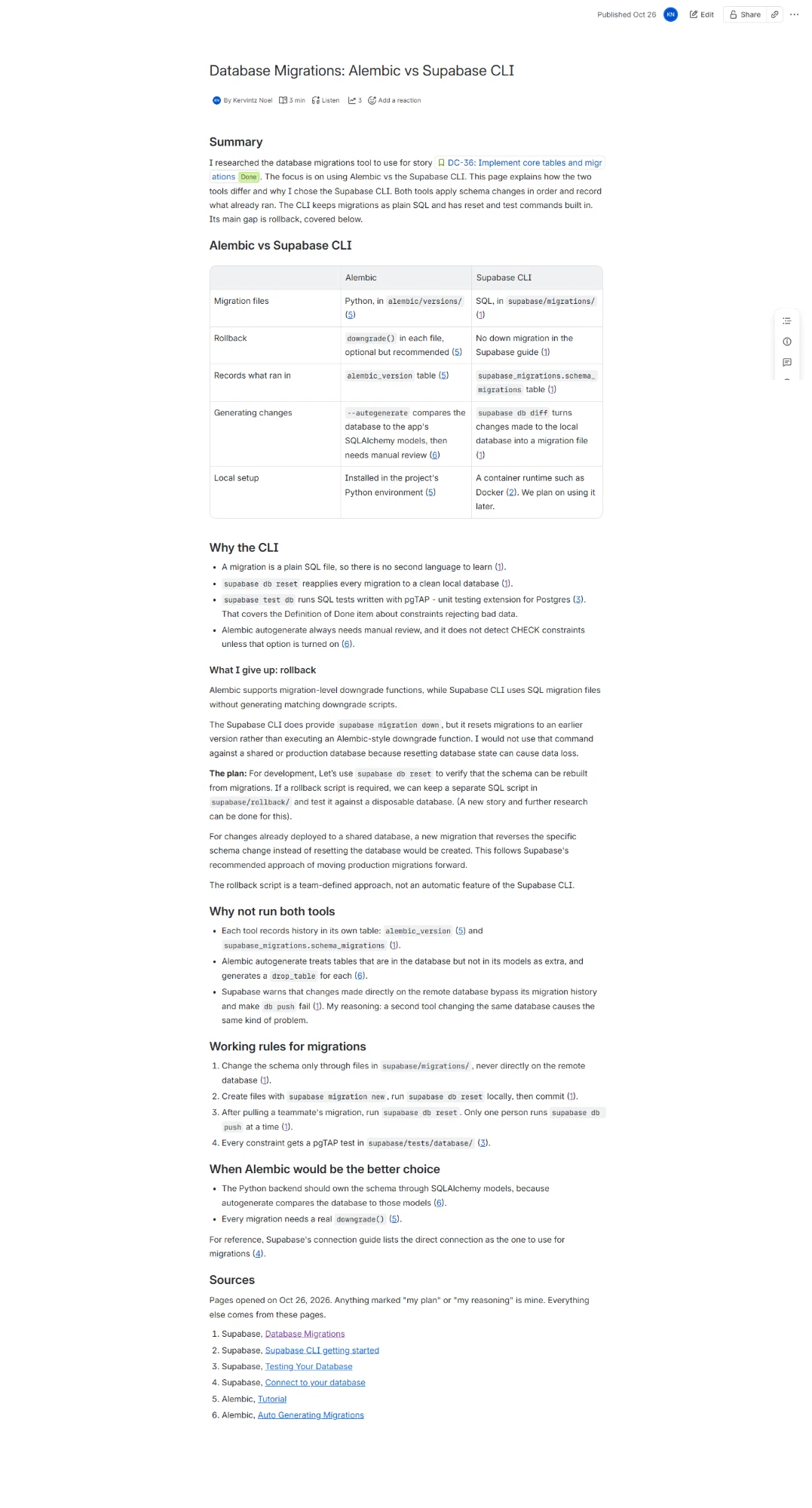
End-to-end demo of the finished app. Plays muted; unmute in the player.
The problem
Property management teams handle bills across multiple properties, vendors, due dates, and approval rules. Keeping track of what has been received, approved, and paid means juggling a lot of separate steps.
What we built
A full-stack app that brings those steps into one workflow. Teams manage properties, vendors, and vendor accounts; upload invoices and have an AI provider extract the bill details; review the extraction before a bill is created or updated; route bills for approval; and record payments and review payment runs, with an audit trail of important changes. A browser-based payment agent built on Playwright runs payment runs against demo vendor portals — it is not connected to real banking or payment networks.
A team build
Built by DSD Mighty, a five-person team in the Dallas Software Developers 2026 Commit Your Code cohort — a six-week program where developers join a team and ship a working application together, in October and November 2026. The frontend is Next.js 16 with React 19 and TypeScript; it calls a Python FastAPI backend, which uses Supabase for data, authentication, and invoice storage. Invoice extraction runs on Anthropic or Google Gemini, and GitHub Actions runs CI.
My part
I was a full-stack engineer on the team. I laid the backend foundation — the initial FastAPI service and the GitHub Actions workflow — connected Supabase, and wrote the core database migrations.
My largest piece was secure invoice PDF upload, which ties together the frontend, backend, authentication, private storage, and the database. It verifies the user, checks that they own the draft bill, validates the PDF, prevents duplicate attachments, and removes the uploaded file if the database write fails — with tests for the access boundaries and the failure cases, not only the expected path. I also built saving and editing draft bills, vendor management, and property management with automatic address matching and mismatch warnings.
Beyond my own features, I reviewed teammates' pull requests across authentication, invoice processing, payments, and the interface — including catching an authentication error path that could leave a page stuck loading — and wrote tickets that turned project requirements into clear tasks for the team.
- Next.jsReact framework with server rendering, routing, and API routes built in.
- ReactJavaScript library for building user interfaces out of reusable components.
- TypeScriptJavaScript with static types that are checked before the code runs.
- Tailwind CSSUtility-class CSS framework for styling directly in the markup.
- PythonGeneral-purpose language used here for data processing and AI services.
- FastAPIPython web framework for building APIs, with automatic validation and docs.
- PydanticPython library that validates incoming data against typed models.
- SupabaseHosted Postgres with authentication, file storage, and auto-generated APIs.
- PostgreSQLOpen-source relational database.
- Claude APIAnthropic's API for the Claude family of language models.
- Gemini APIGoogle's API for the Gemini family of language models.
- PlaywrightBrowser automation library, used here to drive web portals like a person would.
- pytestThe standard testing framework for Python.
- GitHub ActionsGitHub's built-in automation for CI/CD and repository workflows.